

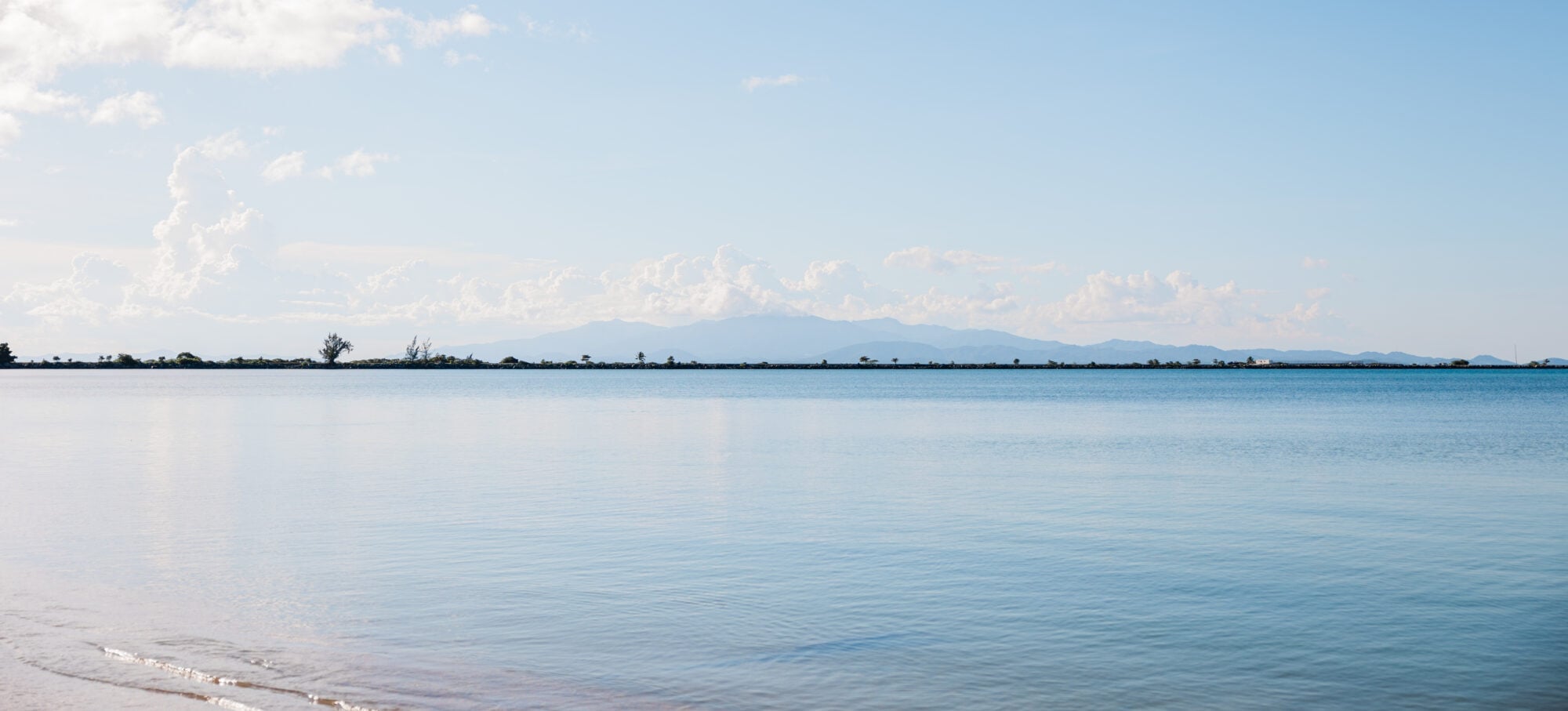
Beaches · North Shore, West End
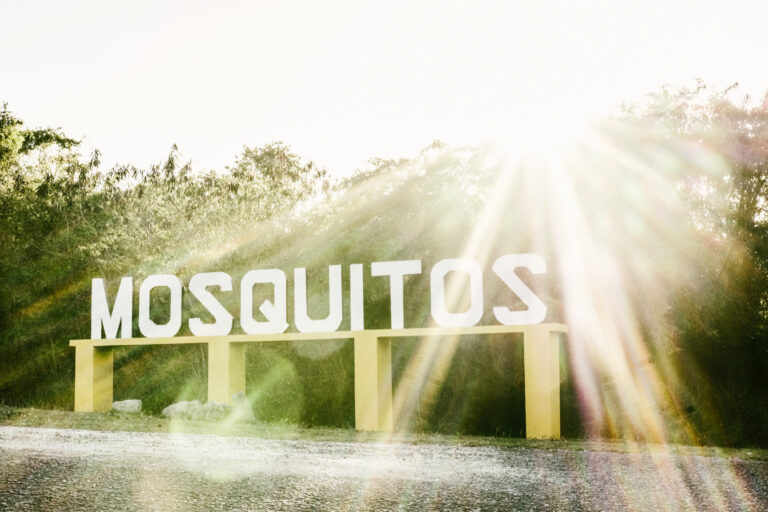
Mosquito Pier Beach to Ceiba Tree Beaches
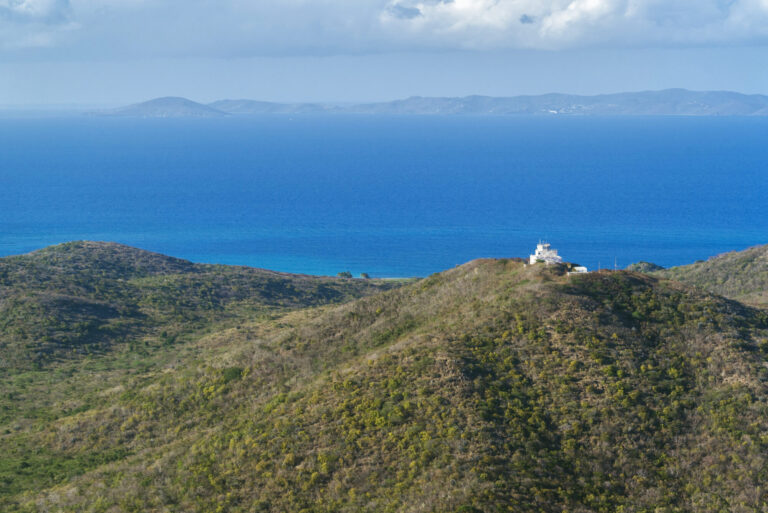
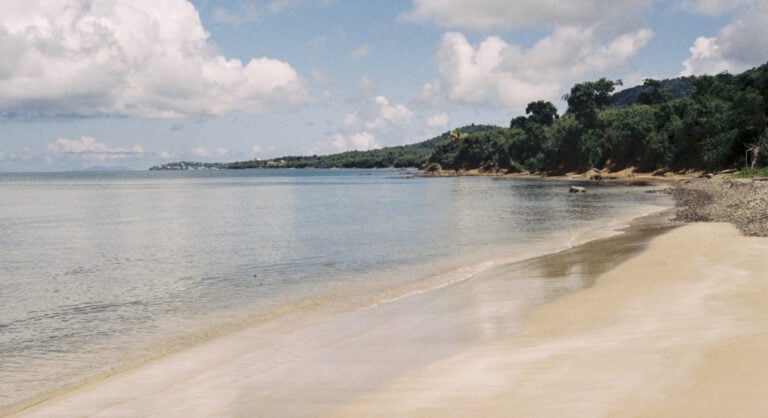
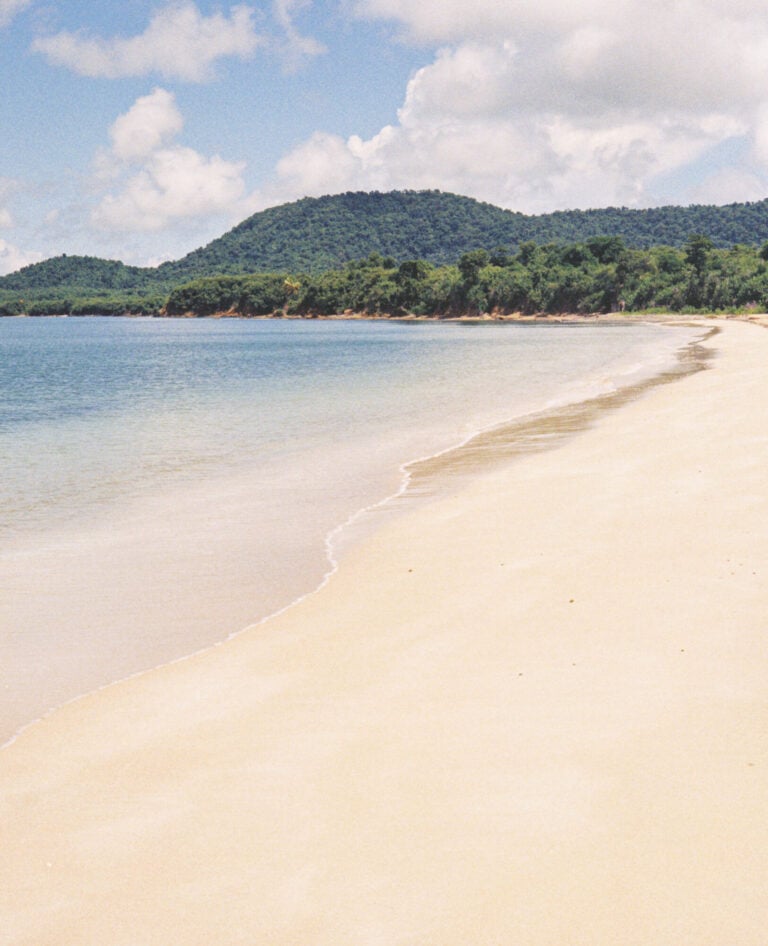
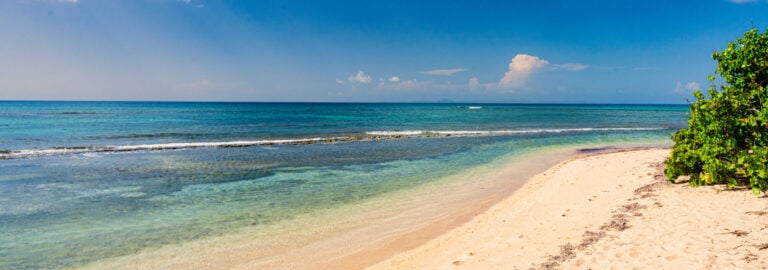
A north-coast shoreline stretching from Mosquito Pier toward the Ceiba Tree, with beach stops, coastal views, and snorkeling in calm conditions.
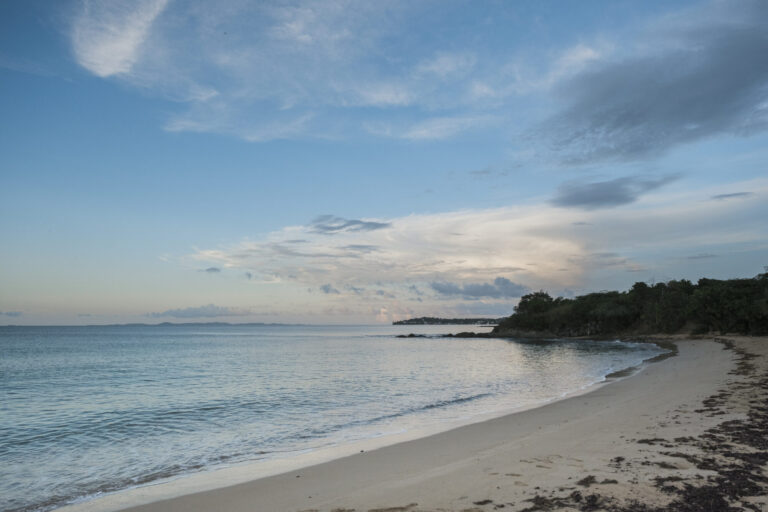
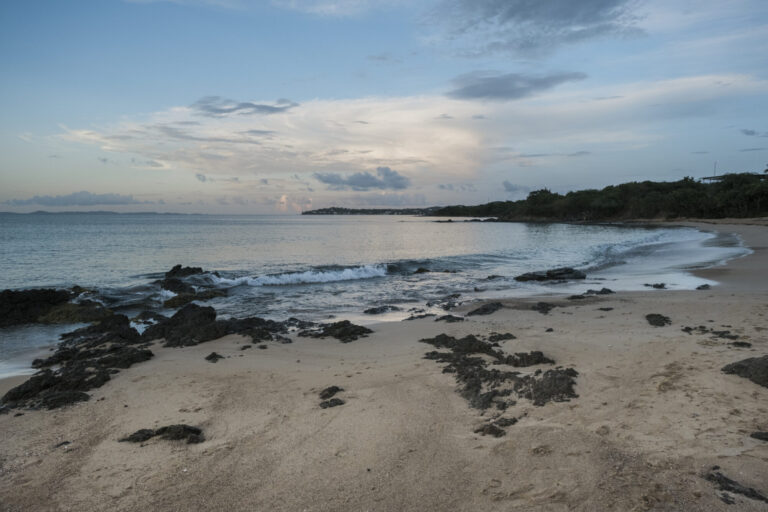
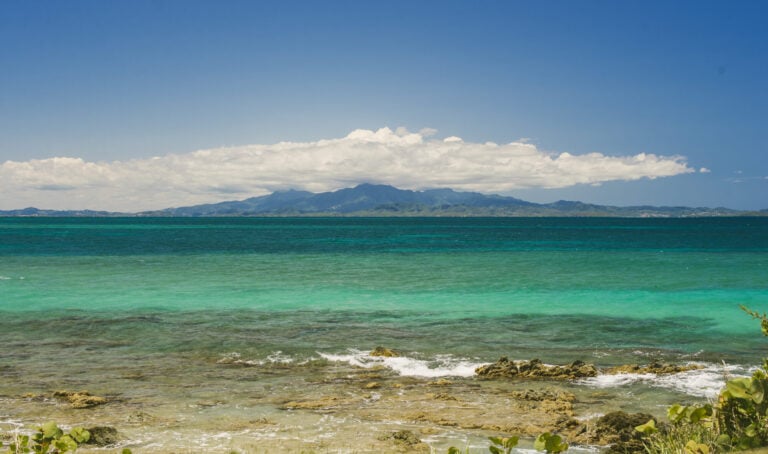
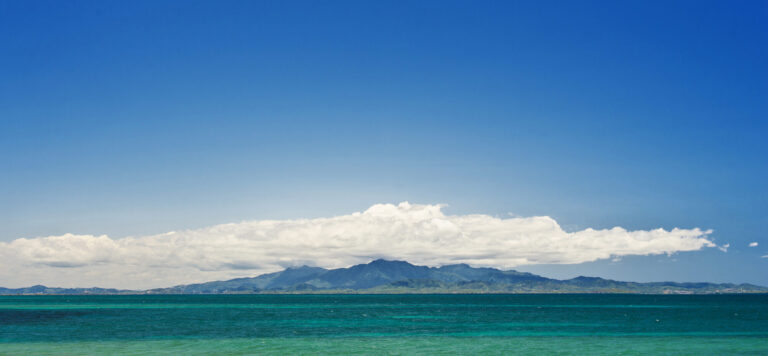
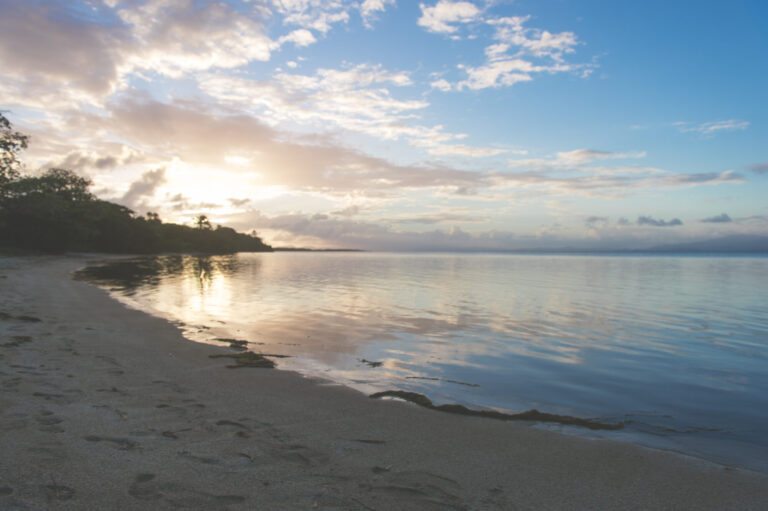
A visit to this stretch of Vieques’ north coast can include a swim, a little snorkeling, and time beneath the island’s remarkable Ceiba Tree. Extending from the Mosquito Pier area toward the tree, the shoreline offers several places to stop and enjoy the water.
Keep readingShow less
Come for a simple beach outing, combine your visit with a coastal drive, or join a guide to explore the marine life around Mosquito Pier. There’s plenty to appreciate without spending the entire day in the water.
What to Expect
This guide covers the shoreline between Mosquito Pier and the Ceiba Tree area, including the small beach beside the pier known as Playa Blaydin or Mosquito Beach.
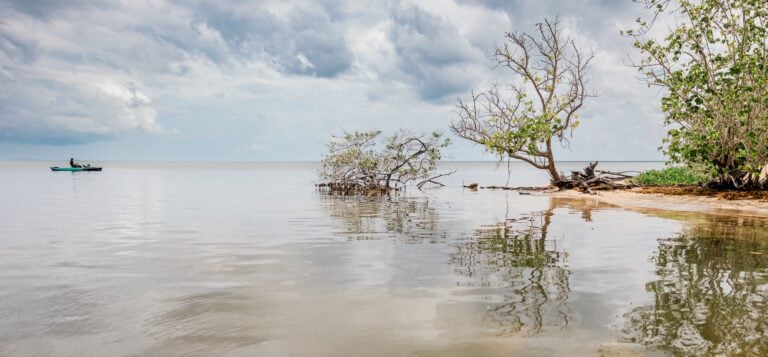
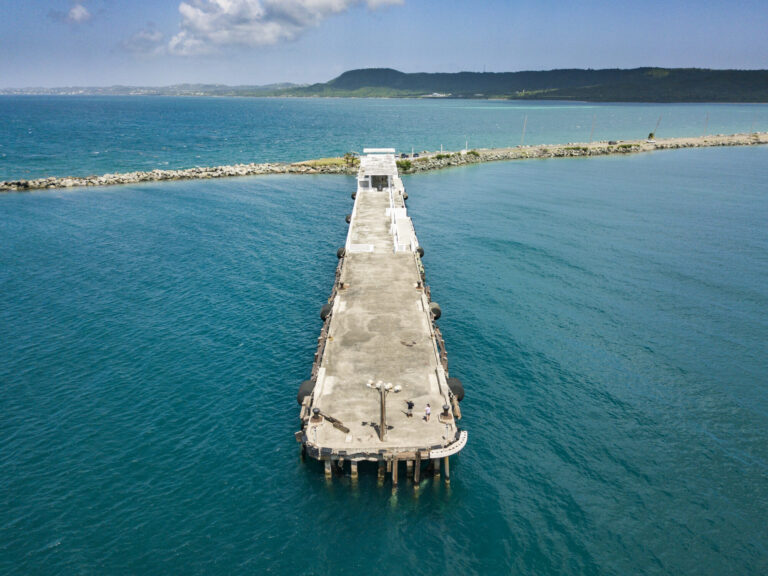
Different sections have different characteristics. Sandy patches meet seagrass and rocky areas, while the long causeway creates a distinctive backdrop near the pier.
Choose your stopping place before carrying everything down to the shore. A spot that suits a picnic or photographs may not offer the easiest swimming entry.
You can visit several access points during one outing, but don’t assume the entire shoreline is an uninterrupted walk. Waves, rocks, and water levels may make some sections difficult to pass.
Swimming & Visiting with Children
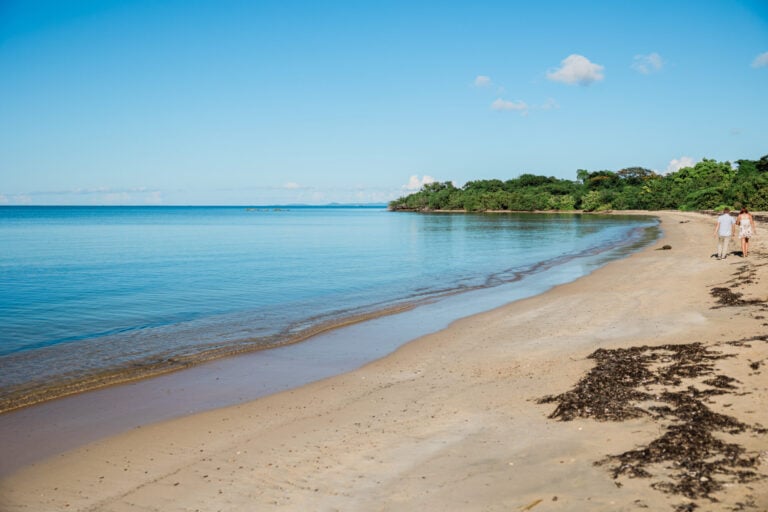
On calm days, the shallower beach areas can be inviting for swimming and splashing. Check the bottom before entering and choose a sandy spot that suits everyone’s ability.
Seagrass, rocks, and marine life occur close to shore. Keep children supervised, watch where you step, and avoid areas used by boats or fishermen.
The deeper water around Mosquito Pier is a separate environment. Don’t assume a comfortable swim near the beach means conditions will be equally manageable farther along the causeway.
For families, a short swim and a visit to the Ceiba Tree can make a satisfying outing without venturing into deeper water.
Snorkeling Around Mosquito Pier
Mosquito Pier, known locally as Rompeolas, is one of Vieques’ well-known snorkeling locations. Fish, marine growth, and sea turtles draw visitors to the habitats around its underwater structures.
Near the beach, shallow seagrass and rocky patches offer a different experience from the deeper pier area. Start with a location that matches your swimming ability and the day’s conditions.
Farther along the pier, deeper water, currents, surge, and overhead concrete require greater care. A local guide can help assess conditions, choose an entry, and plan an appropriate route.
Avoid swimming beneath low concrete or entering confined spaces. Stay clear of operating vessels and fishing lines, and leave yourself enough energy for the return.
Wildlife sightings are never guaranteed. Enjoy whatever you encounter without chasing, touching, or feeding animals.
Shade & Facilities
Shade varies along the shoreline. Don’t count on finding a shaded place beside your preferred swimming spot, and bring sun protection for time on the beach or causeway.
Plan for a visit without dependable public bathrooms, showers, food vendors, or equipment rentals. Bring drinking water, snacks, and your own beach equipment.
The Ceiba Tree is a place to appreciate respectfully, rather than a substitute for a beach picnic shelter. Avoid spreading belongings over its roots or attaching anything to its branches.
Cell Service
Save your directions and any tour meeting information before heading out. Reception depends on your carrier and island conditions.
If you’re meeting friends, name the exact access point. “Mosquito Pier” and “the Ceiba Tree” describe different meeting places, even though they can be part of the same outing.
For taxi visits, arrange your return pickup before being dropped off.
Getting There
From Isabel Segunda, follow Route 200 west past the airport toward the Ceiba Tree and Mosquito Pier area.
You can stop at the Ceiba Tree first, then continue toward the pier, or explore in the opposite order. Save separate map pins for the tree and your chosen beach access.
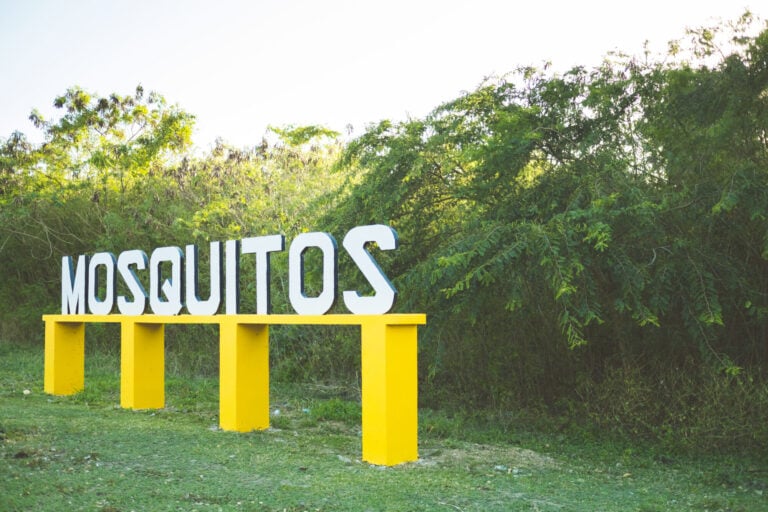
For Playa Blaydin, look for the small access road on the left before heading out along the Mosquito Pier causeway.
The main approach is paved. Check any final dirt or sandy turnoff before driving onto it, and follow current signs and barriers.
Parking & Beach Access
Use established parking spaces and pullouts without blocking roads, driveways, beach entrances, or working access.
Park for the specific place you’re visiting rather than assuming one parking spot provides easy access to the entire coastline.
Keep vehicles off the beach and vegetation. Near the Ceiba Tree, avoid parking on or driving over exposed roots.
Leave unnecessary valuables at your accommodation, and take note of your entry point before walking along the shore.
Visiting the Ceiba Tree
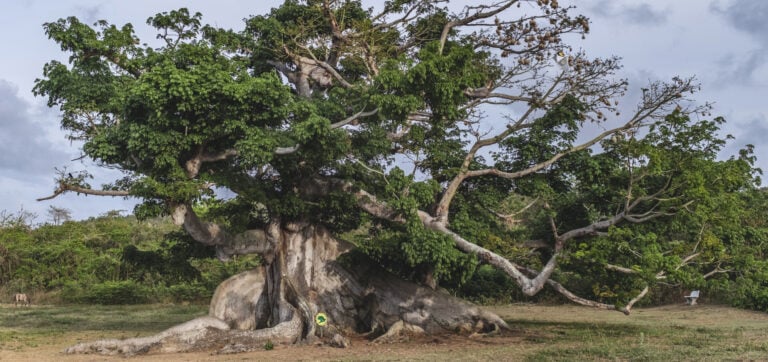
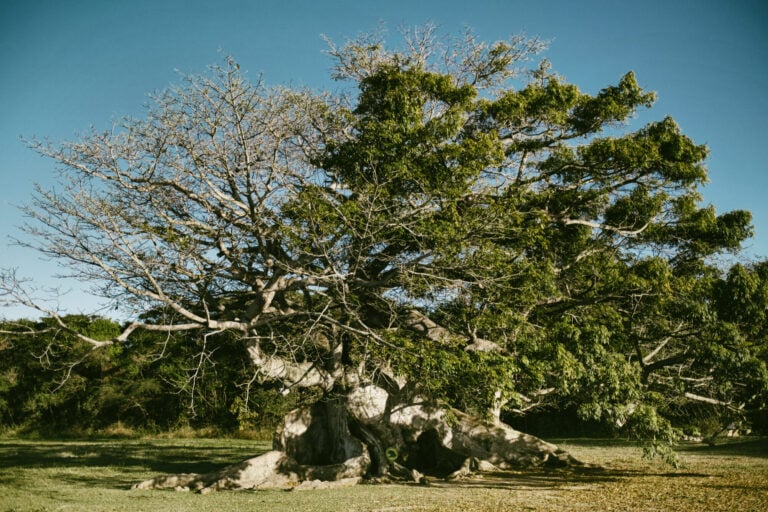
The Ceiba Tree is one of Vieques’ most recognizable natural landmarks and a worthwhile stop during a north-coast beach visit.
Take time to appreciate its enormous trunk, spreading limbs, and exposed roots. Walk carefully around the surrounding area and give other visitors room to enjoy it.
Don’t climb the tree, carve into its bark, stand on its roots, or hang anything from its branches. Follow signs and any protective barriers.
You don’t need to turn the visit into a long stop. A few quiet minutes looking closely can be just as memorable as a beach afternoon.
Starfish, Sea Turtles & Marine Life
The shallow beach habitat near Mosquito Pier is associated with starfish, while turtles are regularly observed around the pier area.
These are wild animals, so their presence varies. Don’t plan your visit around a guaranteed encounter.
Leave starfish underwater and where you find them. Give turtles room to swim and surface, and never block an animal’s route for a photograph.
Seagrass is valuable habitat. Avoid trampling it or disturbing the bottom while looking for wildlife.
What to Bring
Pack for a beach visit with limited services:
- Drinking water and snacks
- A towel and optional beach chair
- Sunscreen, a hat, and sun-protective clothing
- Snorkeling equipment if conditions are suitable
- Secure footwear for uneven ground
- A dry bag or waterproof pouch
- A charged phone with saved map pins
- A bag for all your trash
If you’re joining a tour, confirm which equipment is included and where you’ll meet.
When to Visit
Choose a calm day if swimming or snorkeling is your priority. Check conditions at your intended entry rather than judging the water from the road.
Give yourself enough daylight to explore, find your access points, and return comfortably. The causeway can be hot and exposed, so bring water even for a short walk.
You can also enjoy this area without swimming: visit the tree, take in the coastal views, and stop along the shore where access allows.
Trash & Caring for the Beach
Bring everything back out with you, including food scraps, bottle caps, and broken equipment. Don’t leave bags beside overflowing bins.
Keep litter away from the water and the Ceiba Tree’s roots. If you find fishing line or hooks, remove them only when you can do so without putting yourself at risk.
Leave shells, plants, and marine life where they belong. A photograph is a better souvenir than something removed from the beach.
Visiting Responsibly
Respect signs, barriers, neighboring properties, and operational areas around the pier. An open-looking road or stretch of waterfront isn’t permission to enter a restricted space.
Watch for vehicles while walking along the causeway and keep children away from unprotected edges.
In the water, stay clear of vessels, fishing activity, and low overhead structures. On land, protect the Ceiba Tree by keeping off its roots and branches.
Questions
Where is this beach area?
It’s on Vieques’ north coast, west of the airport, covering the shoreline around the Ceiba Tree and Mosquito Pier.
Is this one beach or several?
This guide treats the coastline as one beach outing, with different access points and named areas. Playa Blaydin, also called Mosquito Beach, is beside the western side of the pier entrance.
What is Rompeolas?
Rompeolas means breakwater and is the local name commonly used for Mosquito Pier.
Is Mosquito Pier the same as Mosquito Bay?
No. Mosquito Pier is on the north coast. Mosquito Bay, the famous bioluminescent bay, is a separate location on the south side.
Can you swim along this shoreline?
Swimming is possible in suitable areas when conditions allow. Entries and underwater terrain vary, so choose your spot carefully and stay away from vessel operations.
Is it good for children?
Shallow beach areas can suit families on calm days with close supervision. The deeper snorkeling areas around the pier require a different level of swimming ability and planning.
Where is the snorkeling?
Shallow habitat can be explored near the beach, while the pier’s underwater structures attract snorkelers to deeper water. A guide can help choose a route suited to your experience.
Will I see sea turtles?
Turtles are associated with the pier area, but sightings aren’t guaranteed. Don’t assume they’ll be present at every beach access.
Are there starfish?
Starfish may be found in the shallow habitat near the pier. Watch where you step and never lift, move, or handle them.
Can you walk from the Ceiba Tree to Mosquito Pier along the beach?
You may be able to walk sections of the shore, but don’t assume there is a continuous, easy route. Rocks, waves, and water levels can affect passage. Use separate access points when necessary.
Do you need four-wheel drive?
The main approach is paved. Check individual dirt or sandy access tracks before entering them, especially after rain, and follow your rental company’s guidance.
Are there bathrooms or food vendors?
Don’t count on dependable public bathrooms, showers, vendors, or equipment rentals. Bring what you need.
Can you climb the Ceiba Tree?
No. Enjoy it from the ground without climbing, carving, attaching anything, or standing on exposed roots.
Can you walk along Mosquito Pier?
People use the causeway for walking, but access can change. Follow current signs and barriers, watch for vehicles, and stay out of operational areas.
Is it worth visiting without snorkeling?
Yes. The Ceiba Tree, shoreline scenery, and views from the pier area make this a worthwhile stop even if you stay out of the water.
Details
- Swimming
- Good for swimming
Water and surf
Conditions vary along the shoreline from the Ceiba Tree area to Mosquito Pier. Sandy shallows, seagrass, and rocky patches require different entries, while deeper water around the pier can have currents and surge. Choose a spot that suits your ability, watch for vessels, and avoid low overhead concrete. www.puertorico.com
After rain
The main road is paved, but dirt and sandy beach turnoffs may become muddy or collect puddles. Check access before driving in, and avoid parking on soft ground near the Ceiba Tree’s roots. Runoff and unsettled weather can reduce visibility; skip swimming if the water is discolored, smells unusual, or contains debris.
Gallery

Information last checked November 2, 2026.
More beaches in North Shore, West End
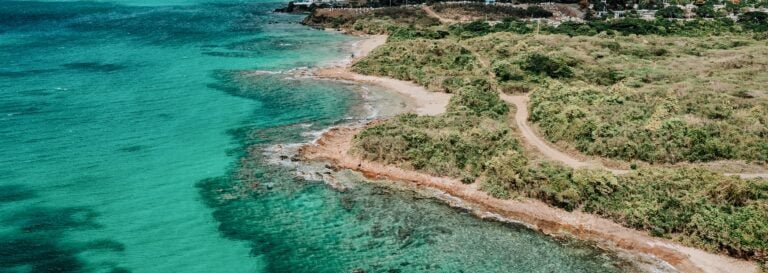
Airport Beach & North Coast Coves
Airport Beach and the coves along Route 200 toward the former W offer golden sand, coastal views, and more places to reach the north shore.
Bastimiento Beach
A long north-coast beach east of Isabel Segunda, with golden sand, beachcombing, and shallow pockets sheltered by offshore rocks and reef.
Ceiba Tree Beaches
A series of north-facing beach stops along the coastal road from Vieques’ Ceiba Tree toward the back of the airport.