

Beaches · The Refuge
La Chiva Beach “Blue Beach”
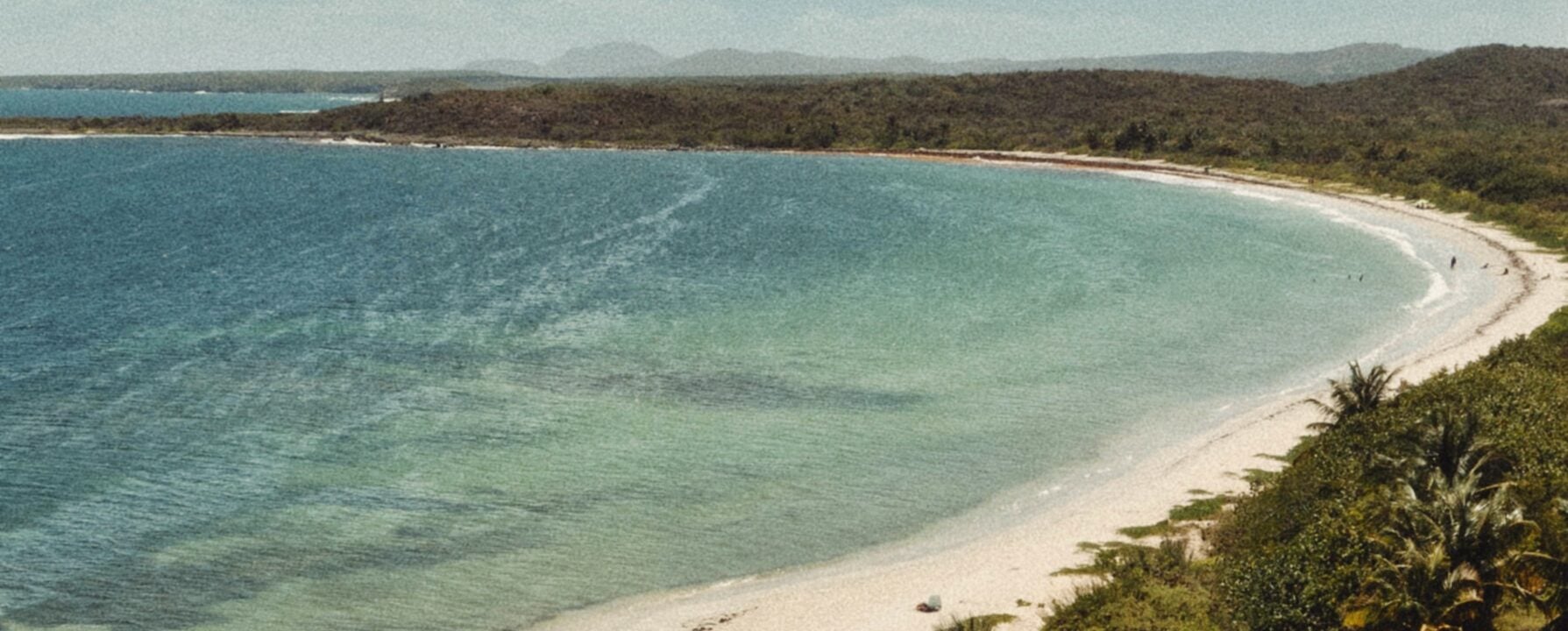
The blues at La Chiva change with every passing cloud. From clear shallows to deep water beyond the bay, the view is a reason to visit all on its own.
Playa La Chiva · Formerly Known as Blue Beach
Endless shades of blue, a long stretch of white sand, and plenty of places to make yourself comfortable. La Chiva has clear water, snorkeling spots, and a shoreline that invites you to stay for the day. Located within the Vieques National Wildlife Refuge, it’s a place to bring your cooler, explore a few beach spots, and find your favorite view.
Keep readingShow less
Understanding La Chiva’s Numbered Beach Spots
La Chiva is one long beach with a series of numbered access points, rather than one main entrance and a large parking lot. Beach spots run from 1 through 19, each with a small parking area and access to its own section of shoreline.
When someone tells you to meet them at “La Chiva 12,” they mean the numbered beach spot. Remember your number when you park. It makes finding your car, meeting friends, and describing your stretch of beach much easier.
Spots 8–19 have little covered bungalows with picnic tables, offering a shaded place to eat lunch and take a break from the sun. These are open picnic shelters, rather than overnight accommodations.
You don’t have to drive to the last spot to enjoy La Chiva. Stop along the way, look at the water, and choose somewhere that suits your group.
Choosing Your Spot
The earlier stops are worth exploring, particularly if you’re hoping for a little more space. Many visitors continue farther along the road, so it can pay to look at the first few access points before following everyone else.
As you move along the bay, the view changes. Some sections have deeper turquoise tones, while others reveal broad stretches of pale, clear water over sand. Seagrass beds add darker patches beneath the surface.
Farther along, the picnic bungalows make settling in for lunch convenient. If shade is a priority, arrive early, especially on weekends and holidays. Bring your own chairs and an umbrella so your beach day doesn’t depend on finding an empty shelter.
What the Beach Is Like
La Chiva has room for long walks, quiet afternoons, and beach days that stretch well beyond the original plan. Coastal greenery backs the shoreline, and the open bay offers beautiful views across the Caribbean.
The colors are part of the attraction. Sunlight, passing clouds, water depth, and the bottom beneath the surface all change what you see, from nearly transparent shallows to turquoise and deep blue.
Conditions vary along the beach and from day to day. Seagrass, washed-up seaweed, and natural debris may be more noticeable at some spots than others. Take a look before unloading the car.
Swimming & Visiting with Children
On calm days, La Chiva offers inviting water for swimming and floating. Sandy shallows in some sections can make it a lovely choice for families who arrive prepared with shade, snacks, and plenty of drinking water.
Choose your spot based on the conditions you see. A beach that was glassy yesterday may have waves today, and neither winter nor summer guarantees calm water.
Stay close to children and check the bottom before entering, since sand, seagrass, and rocky areas vary along the bay. Clear water can make distances look shorter than they are, so keep your swimming plans within everyone’s ability.
Snorkeling at La Chiva
La Chiva is a good snorkeling beach when the water is clear, with seagrass beds, rocky areas, and reef habitat offering different underwater scenery. When visibility is good, you can spend a long time watching fish move through the grass and around underwater structures.
Bring your own equipment and choose an entry point that matches your experience. Beginners should get comfortable close to shore before considering a longer swim. A local snorkeling guide can help you choose suitable areas based on the weather, visibility, and your group’s ability.
Keep your fins clear of coral and seagrass, never stand on reef structures, and give marine life room to move.
About the Offshore Cay
The small offshore cay is part of La Chiva’s scenery, but don’t treat it as somewhere to walk onto or explore. Follow current refuge signs and restrictions, and don’t assume shallow-looking water provides a safe or permitted crossing. Parts of the former military lands remain closed because of unexploded ordnance and ongoing cleanup, according to the U.S. Fish and Wildlife Service.
Ask refuge staff or an experienced local guide about permitted snorkeling areas rather than following older directions recommending access to the cay.
Bungalows, Shade & Facilities
The covered bungalows at spots 8–19 provide picnic tables and welcome shade. They’re useful for lunch, organizing your beach gear, and giving children a break from the sun.
Shade on the sand varies, so bring an umbrella if you want to sit closer to the water. Keep your belongings contained and leave picnic tables clean for the next group.
La Chiva is a natural beach within the refuge. Bring your food, drinking water, chairs, and snorkeling equipment rather than expecting beach concessions or rentals.
Bathroom access within the refuge can depend on staffing and maintenance. Check availability when you enter, and don’t plan your day around having an unlocked restroom beside your chosen spot.
Garbage & Keeping the Beach Clean
La Chiva has public bins, but they fill up, especially along the numbered accesses. Bring a bag, and if the nearest can is full, take the trash out with you.
A bag left beside a bin does not stay put. Horses open them, and wrappers can reach the water along this long shoreline.
Look around your bungalow, the parking space, and the sand for caps and scraps before you drive out.
Getting to La Chiva
From Route 997, go in at García Gate and stay on the main refuge road. You will pass the turns for Caracas and Pata Prieta before the numbered beach accesses at La Chiva.
The route includes unpaved sections. Drive slowly, watch for potholes and washouts, and check with your rental company about current road conditions, especially after heavy rain.
Once you reach La Chiva, follow the numbered beach accesses and park in the small designated areas. Keep the main road, entrances, and turning areas clear.
What to Bring
La Chiva invites a long stay, even if you only meant to look at a few of the numbered accesses. Pack water, a cooler, chairs, and your own shade; a bungalow or covered table will not follow you into the water. Bring a snorkel, sun cover, and a trash bag. Keep repellent near the bag if you are sitting close to the vegetation, especially after a rain or later in the day.
Why Is It Also Called Blue Beach?
Blue Beach was the name used during the U.S. Navy’s presence on Vieques. Today, we use La Chiva, although the older name still appears in travel guides, maps, and visitor recommendations. Both refer to the same beach.
Refuge Hours & Visiting Responsibly
La Chiva is inside a gated wildlife refuge. The U.S. Fish and Wildlife Service currently lists refuge hours as 7 am to 7:30 pm from February 1 through September 30, and 7 am to 6:30 pm from October 1 through January 31. Confirm the time posted at the gate when you enter, since hours can change. Allow enough time to pack up and drive out from your beach spot.
Stay on designated public roads and paths, respect closure signs, keep pets leashed, and give wildlife and marked turtle nests plenty of space. Refuge rules prohibit off-road driving, drones, camping, and open fires.
Enjoy your spot, remember its number, and leave it clean for whoever finds it next.
Details
- Getting there
- High Clearance
- Facilities
- Bathrooms, Covered Picnic Areas, Natural Shade, Parking
Water and surf
La Chiva’s clear, turquoise water can be calm and inviting for swimming and floating, with snorkeling opportunities around rocky areas when visibility is good. Conditions vary along this long beach, so check the water at your chosen spot rather than assuming every entrance is the same. Wind and swell can bring choppy water and stronger currents, even when the bay looks beautiful. Keep children close and avoid swimming out to the offshore cay.
After rain
Puddles can hide potholes along La Chiva’s unpaved access road and parking turnoffs. Take it slowly, avoid driving through water you can’t judge, and choose another spot if an entrance looks muddy or washed out.
Rain and unsettled weather can leave the water less clear, especially when waves stir up sand. Check conditions at your chosen entrance before unpacking your snorkel gear. Expect more mosquitoes and no-see-ums near the vegetation, and bring a dry bag—bungalows offer shade, but wind-driven rain can still reach your belongings.
Information last checked November 15, 2026.
Something to fix or add?
Details last checked November 14, 2026. Corrections are reviewed before anything changes.
More beaches in The Refuge
Caracas Beach
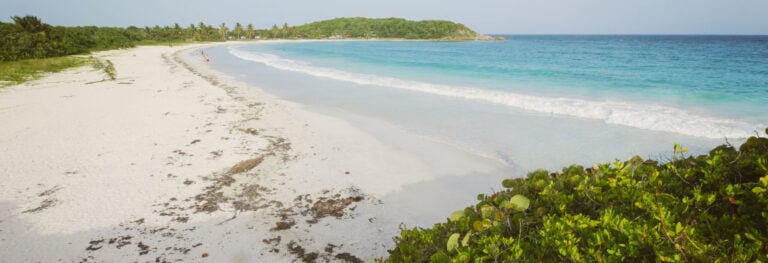
Caracas has long been a favorite among people who live here and those just discovering Vieques.
See more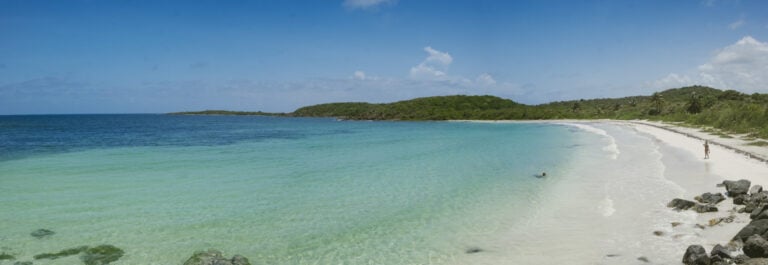
La Plata Beach
Playa La Plata in Vieques offers white sand, turquoise water, and a quiet setting for swimming, snorkeling, and relaxed beach days.
See moreHigh Clearance
La Rampa (Pirates Cove)
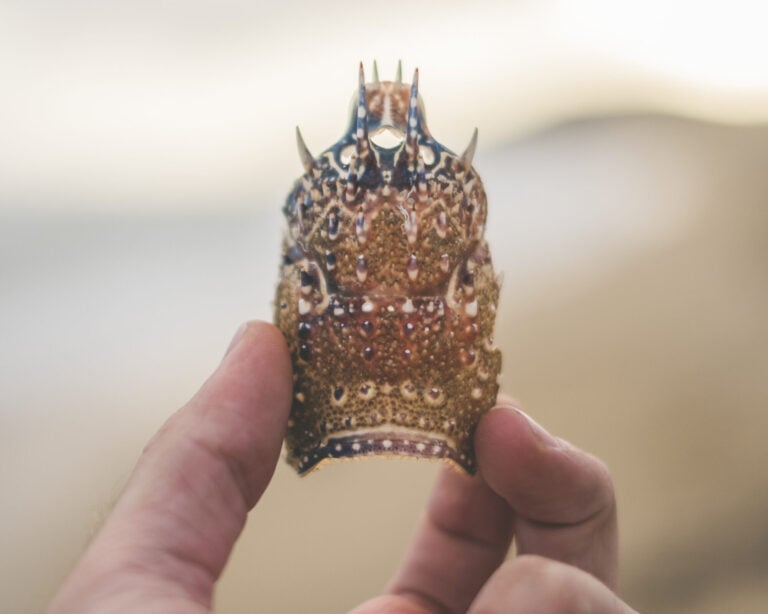
A rocky refuge cove near La Chiva, with pebbles, coral fragments, and marine habitat that attracts snorkelers
See more